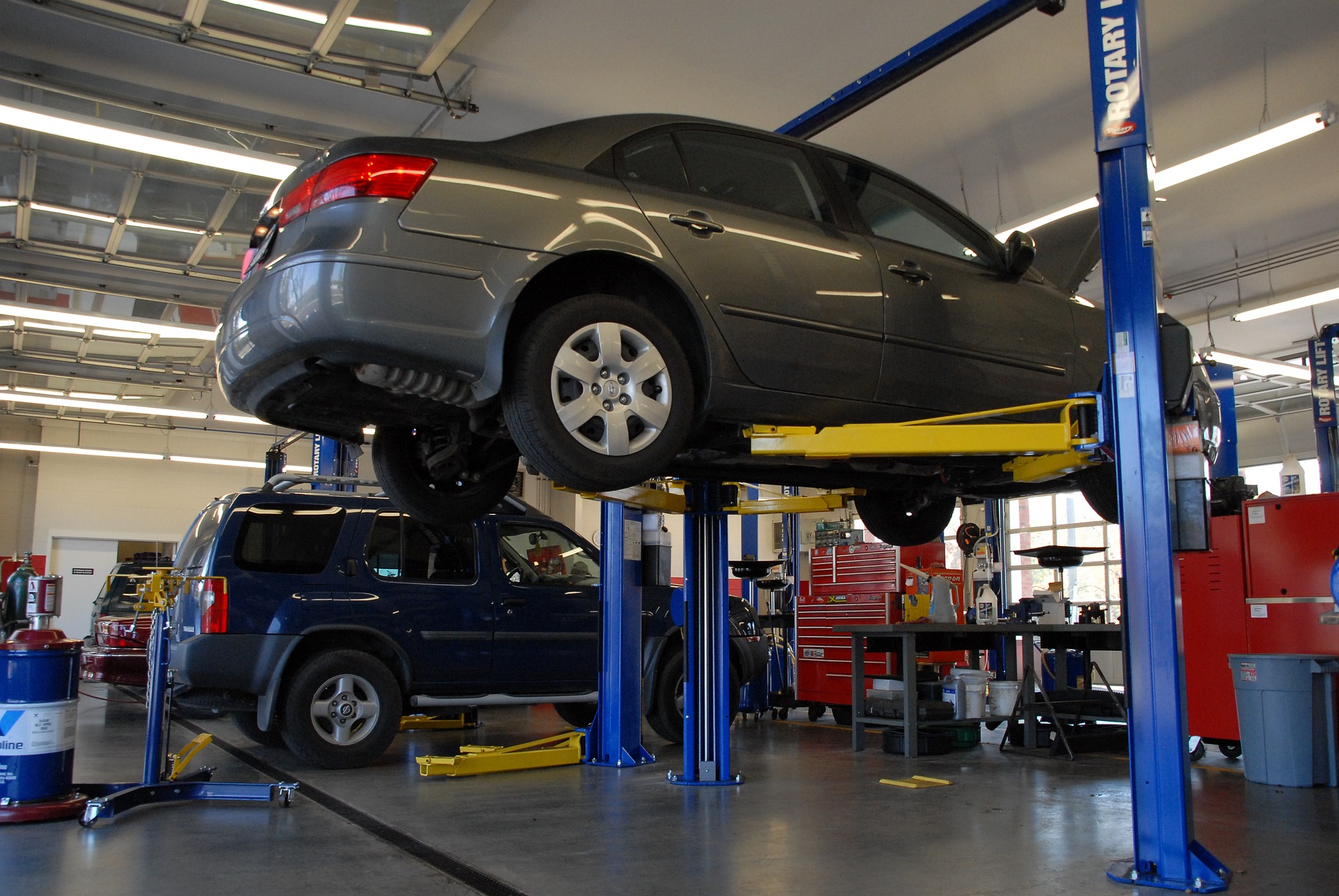
If you enjoy working with cars then you might be considering setting up your own business in the motor trade. The great thing about working in the motor trade is that there are a lot of different paths to choose. Some common businesses in the motor trade include –
- Car showrooms
- Car auctions
- Valeting services
- MOT centres
- Mechanics
- Auto electricians
- Delivery agents
- Accessory fitters
- Vehicle importers
These are just some of the businesses you could set up in the motor trade. In order to help you get started, below are some of the most important things to consider when setting up a new business.
Premises
Thinking about the type of premises you’ll need is extremely important. Some businesses will require much larger premises than others. For example, a car auction will typically need a very large plot of land, while you could set up a car showroom on much more modest premises.
When thinking about the premises, it’s not just size you need to consider though. Location is also extremely important. The location of your premises could have a big impact on how well your business performs. For businesses that rely on a good amount of foot traffic, such as showrooms and valeting services, you’ll want to find a place that has good visibility.
Another key decision to make where premises are concerned is whether you’re going to rent or buy. For most new starters in the motor trade, it’s much better to rent until you’re fully confident that you’re happy with the premises.
Staff
Staff is another key consideration when setting up a new business in the motor trade. Different types of businesses require different skills. Ideally you’ll be starting a business that you have personal experience in so you can easily identify and hire the right people.
Motor trade insurance
The minimum requirements for getting a motor trade insurance policy are as follows –
- You must hold a full UK driver’s licence
- You must be at least 21 years of age
- You must be able to prove that you work in the motor trade
Types of cover you can get include –
- Third party – A third party policy will provide enough protection so you and your staff can drive customer vehicles legally. It’s important to note that your vehicles wouldn’t be covered unless a third party was to blame for
the collision.
- Third party, fire & theft – If want to add extra protection to a third party policy then this is a good option. If any of your vehicles are stolen or damaged by fire then you’d be compensated.
- Comprehensive – Comprehensive insurance will provide the best level of protection and will cover customer vehicles for all types of collisions, even when you or your staff are liable for them.
Combined policy – A combined policy is an excellent choice when you work in the motor trade. It will not only provide full protection for customer and company vehicles but also cover your premises for theft and vandalism. Stock, tools and cash can
Shop around for your motor trade insurance (traders-insurance.com is a good place to start and they can provide insurance quotes for full time and part time motor traders)