If you've ever considered working as a courier then you're not alone. A lot of people like the idea of not being stuck behind a desk all day and being able to work without a boss looking over their shoulder.
Although working as a courier can definitely be a good way to make a living, there are some practical aspects of the job that you should be aware of. These include...
It can be stressful
One thing to know about working as a courier is that it can be very stressful, particularly when you're working during rush hour. This isn't unique to courier of course, any job that requires you to be on the road can be stressful at times.
Most courier drivers find they're able to cope with the stressful periods though as it doesn't make up the bulk of the job.
You'll need to have a suitable vehicle
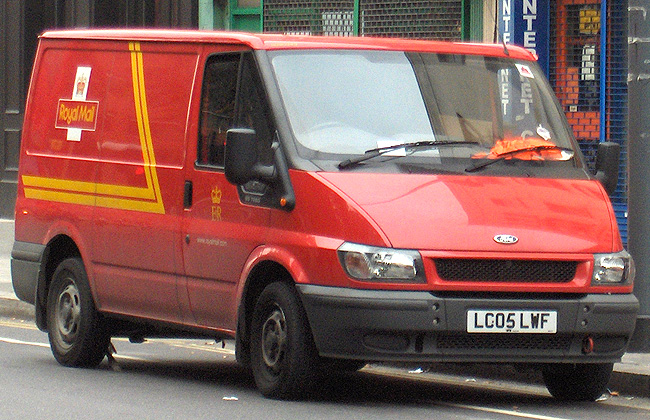
Although it is possible to work as a courier by using a car, it's much better if you have a van. This is because you'll be able to take on more work and fit larger parcels in your vehicle.
Having your own van will make you more attractive to potential employers too so it's definitely worth making the investment.
You'll need to get your own insurance
Another aspect of working as a courier is that you'll need to get the right type of insurance. Although getting cover for road risks is important you'll also want to consider covering the parcels you carry as well as getting cover for things like liability claims and breakdowns. You can do this by getting a good courier insurance policy.
There are many sites where you can easily get courier insurance quotes now so you shouldn't have too much trouble finding a policy at a reasonable price.
You'll often need to work long hours
Because working as a courier isn't what would be considered a highly specialised job i.e. you need a lot of training and expertise to do it - this means there are a lot of people currently working as couriers. The knock on effect of this is that you'll need to work long hours in order to make a decent wage. This will sometimes mean working till late into the evening to get all your deliveries done.… Read more